The Steady Hand After the Applause: A Week With a West End Resident Director
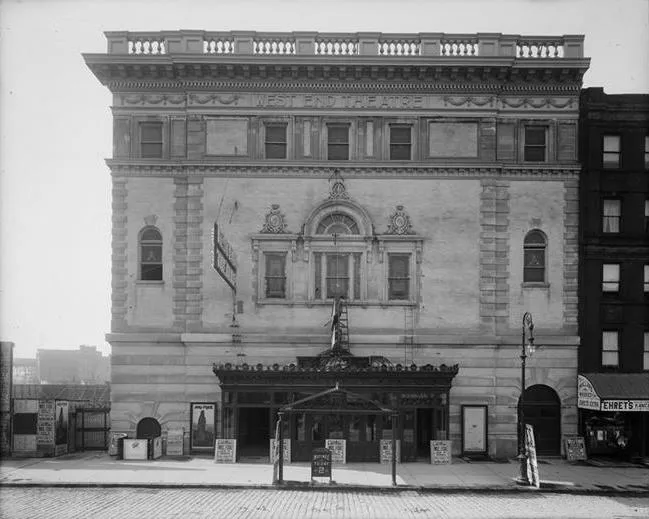
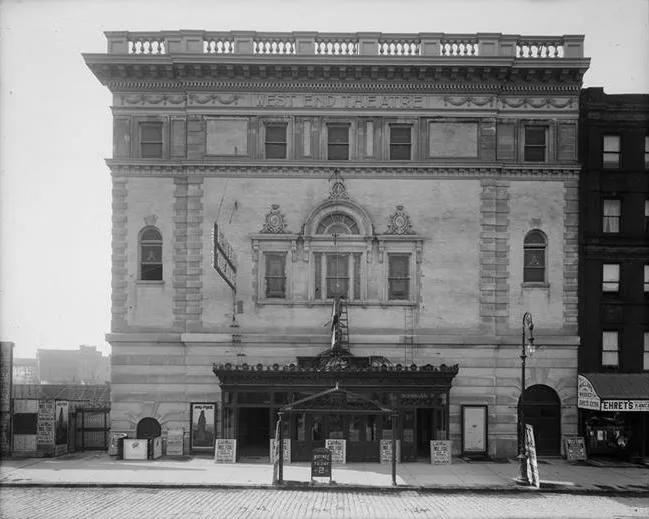
Photo: Wurts Bros. (New York, N. Y.), photographer; Neville & Bragge, architect, Public domain, via Wikimedia Commons
On a damp Tuesday in November 2026, the curtain at a West End theatre comes down on a matinee that looked, to the audience, exactly like every other. The laughs landed. The orchestra kept its footing. Nobody in row F could tell you that the second act had been running four seconds slow since the new swing went on. But upstairs, in a cramped office with a kettle that has seen things, someone is writing it down.
That someone is the resident director. Not the director who staged the show. Not the stage manager who calls the cues. The resident director is the person who watches the production like a hawk after the reviews are printed and the opening-night Prosecco is a distant memory. Their job is to keep the thing from drifting. To protect what the show is, while letting it breathe.
We are calling her Maya. She has been resident director on this production for eighteen months, and she has the particular calm of someone who has learned that a long-running show is less a machine than a garden. You do not set it and forget it. You prune. You notice which bits have gone woody. You resist the urge to repaint the whole thing every time the weather changes.
The notebook is the job
Maya watches the show at least twice a week, sometimes more. She sits in different parts of the house, because comedy and timing change depending on where you are. She has a notebook, but she is not one of those people who fills pages for the sake of it. A note might be as small as a pause that has grown a half-second too long, or a piece of business that now reads as a gag rather than a character beat. It might be that a new cast member is hitting a line with a rising inflection that makes the punchline sound like a question.
'You are not there to catch people out,' she says. 'You are there to catch the show before it becomes a slightly different show. The audience paid to see the thing that was advertised. But they also paid to see human beings, not a museum exhibit.'
That tension runs through the whole week. The production has a blueprint, but it is not a straitjacket. A resident director who only says 'do it exactly as it was' will slowly turn the show into a photocopy of a photocopy. A resident director who lets everything go will preside over a production that quietly forgets what it was for. The craft is in the middle: hold the intention, allow the life.
Understudies are not photocopies
On Wednesday morning, the rehearsal room smells of coffee and floor polish. Three understudies and a swing are working through a scene with Maya and the associate choreographer. One of the covers is new. She knows the lines. She knows the moves. What she does not yet know is how to own the space without apologising for being in it.
Maya stops her gently. 'You are playing her as if you are guesting in someone else's show. You are not. This is your show tonight.' They run it again. The difference is small but unmistakable. The understudy is not copying the lead. She is finding the same truth through her own body.
This is the part of the job the public never sees. Understudy rehearsals are not just line runs. They are insurance, maintenance and artistry at once. A good resident director gives covers permission to be interpreters, not impersonators. They also know that an understudy who feels trusted will take better risks, and a company that trusts its covers will play better as a whole.
There is a practical side, too. Maya runs a notes session with stage management after the rehearsal. They talk about a quick change that has become tight since a costume was repaired. They talk about a fight call that needs a second pair of eyes. They talk about the fact that one of the ensemble has been carrying a niggle in their knee and needs a physio check before the two-show day. The resident director is not a doctor or a stage manager, but they are often the person who notices the pattern before it becomes a problem.
The delicate conversation
Thursday afternoon is the hardest part of the week. A senior cast member has started playing a scene for laughs that are not in the script. The audience loves it. The company is split. Some think it is the best thing in the show. Others think it is pulling focus.
Maya does not send an email. She does not leave a note in a pigeonhole. She finds a quiet room, makes tea, and has a conversation. She starts with what is working. She names the risk. She asks the actor what they are feeling in the scene. By the end, they have found a version that keeps the spontaneous energy but puts it back in service of the story.
'You cannot shame people into a note,' Maya says afterwards. 'You can only help them hear it. Especially in a long run, when everyone is tired and the show is paying their rent. The note has to be about the work, not about them being a problem.'
That is the diplomatic heart of the role. A resident director is part editor, part coach, part pest, part therapist. They have to be honest enough to protect the production and kind enough to keep the company on side. In a UK theatre industry that still runs on freelance contracts and tight margins, that emotional labour is real work. It should be credited and paid as such.
Letting the show breathe
By Friday, the theatre is on a two-show day. The building has that slightly wired energy that comes from too much coffee and not enough daylight. Maya does a walk-round before the matinee. She checks in with the stage door team, the dressers, the sound operator. She stands at the back of the stalls during the first act and listens to the audience. They are quieter than usual. Then, in the second half, they lean in. The show is not the same as it was on Tuesday. It is better. It has found something.
That is the paradox of the resident director's job. You spend all week protecting the original intent, and then you have to let the thing be alive enough to surprise you. You cannot note a show into perfection. You can only keep the conditions right for the performers to do their best work, night after night, in front of people who have no idea how the sausage is made.
On the way out, I ask Maya what success looks like. She thinks for a moment. 'Nobody notices the seams,' she says. 'The show still feels like itself. And the company still wants to come to work.'
In a West End that loves a opening night, that is the quiet, essential work that happens after the applause. The steady hand in the wings. The keeper of the blueprint. The second heartbeat of the show.