Cue the Caption: The Invisible Performance That Keeps a Theatre Audience in the Joke
Photo: Publicity still-CBS-TV. The photo can be dated by the years the Amos 'n' Andy television show was in production. Comparing the photo with File:Spencer Williams Alvin Childress Amos n Andy 1952.JPG, another publicity photo from the show, it can be
It is 7.28pm in a UK theatre and the audience is doing that familiar pre-show shuffle: coats over seats, phones dimmed, programmes folded back. At the back of the stalls, one person is not watching the stage. They are watching a laptop, a script and a live feed of the room, fingers hovering. This is the caption booth — though on this night it is less a booth than a seat, a screen and a very specific kind of concentration.
Live captioning is usually filed under access. Useful, necessary, often underfunded. But sit beside a captioner for a full performance and it starts to look like something else: a second performance, running in parallel, invisible to most of the room and absolutely central to whether a Deaf or hard-of-hearing audience member gets the joke, the pause or the plot turn. Access, done well, is not admin. It is craft.
The script arrives long before the audience
The work starts days before curtain up. A captioner receives the script — or, in the case of a new musical or a pantomime heading into a regional run, something closer to a living document. They read it aloud. They mark character names, pronunciation traps, song lyrics, overlapping dialogue and the places where a director has clearly built a laugh out of silence. They build a caption track, not a transcript. The difference matters.
A transcript records what happened. A caption track shapes what an audience needs, when they need it. If a caption appears too early, it can spoil a punchline. If it arrives too late, the laugh has already moved through the room without you. If it is too long, the audience is still reading while the actors have gone somewhere else. The captioner is making editorial decisions at speed: cut this, split that, keep the character name, lose the stage direction, flag the sound cue.
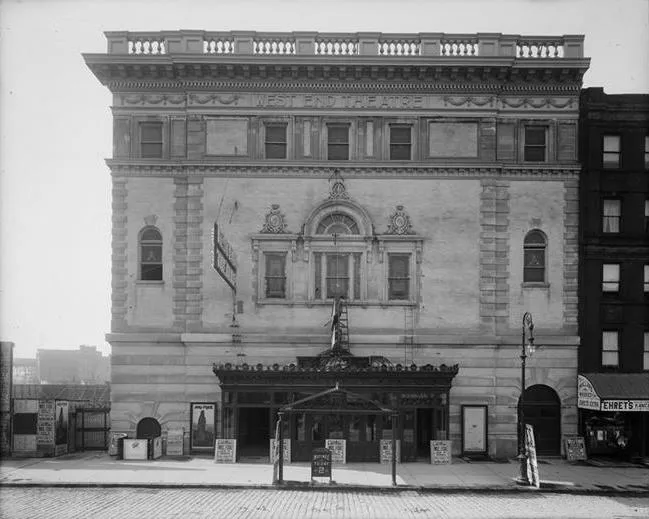
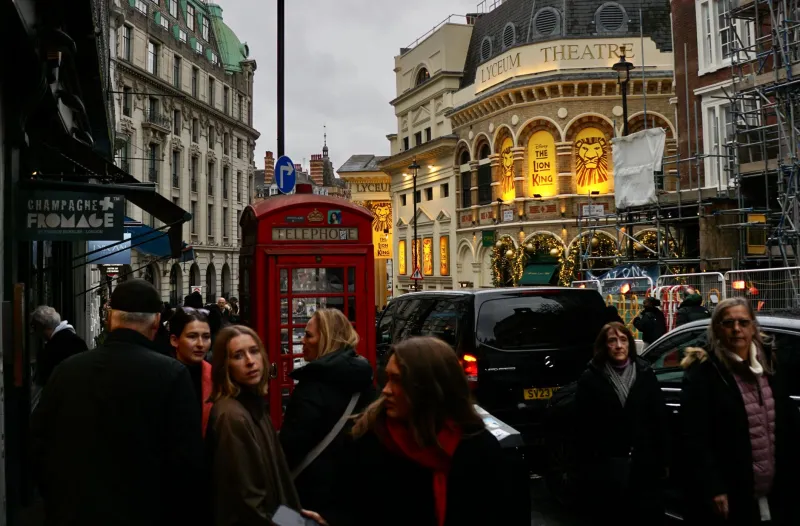
In UK theatres, captioning is often delivered through screens at the side of the stage or on individual tablets. Stagetext has long championed the form, and regional houses from Leeds to Nottingham to the West End use captioning as part of a wider access offer alongside BSL interpretation and relaxed performances. But the screen is only the visible edge of it. The real work is in the cue marks.
Cueing the invisible
During the show, the captioner is following two timelines at once. There is the scripted one: the line you know is coming, the beat before the laugh, the musical number with three overlapping vocal parts. And there is the live one: the actor who pauses a second longer, the understudy who has a different rhythm, the audience that laughs early and throws the next line off its mark.
Good captioning has a lag, but not too much. It needs to sit just behind the spoken word, close enough to feel live, far enough ahead to be readable. The captioner is not typing every um and ah. They are choosing what matters. They are also listening for the things a script cannot predict: an ad-lib, a prop failure, a heckle, the moment a panto villain goes off-book and the room dissolves.
This is where accessibility becomes performance. The captioner has to know when to caption an improvised line and when to summarise it. They have to decide whether a sound effect needs words — [phone rings], [door slams], [audience laughs] — or whether the action is already carrying it. They have to keep the audience inside the joke without stepping into the spotlight. No one claps the captioner. That is the point.
When the show refuses to stick to the page
On the night I sat in, a supporting actor came in with a slightly different line. Nothing dramatic. A swapped word, a shifted beat. But it changed the rhythm of the scene, and the captioner adjusted mid-sentence. Later, in the second half, a comic riff ran longer than it had in previews. The caption track had a line ready. The actor said something else. The captioner made a call: leave the scripted line, type the new one, or caption the effect rather than the exact wording. They chose the effect. The audience laughed. The screen kept up.
That is the job in miniature. A captioner is not a machine translating sound into text. They are a live editor with a conscience and a deadline measured in breaths. They have to be fluent in the show, but not so wedded to the script that they miss the room. They have to be fast, but not so fast that they give the game away.
And they have to do it while staying invisible. The best captioning does not announce itself. It sits alongside the performance like a good sound mix or a clear sightline: you notice it only when it fails.
The audience is part of the performance
There is a progressive argument here, and it is not abstract. Access is not a bolt-on for the grateful few. It is part of what makes a public performance public. A theatre that programmes a captioned night once and ticks a box is not the same as a theatre that treats captioning as part of its artistic planning: casting decisions, rehearsal notes, front-of-house briefing, the lot.
Deaf audiences are not a monolith. Some want every word. Some want sound descriptions. Some want BSL interpretation and captions together. Some want to sit close, some want the back row, some want the tablet in their hand. The captioner cannot serve all of that alone, but they can hold the centre of it: the promise that the story will be available, not summarised into something thinner.
After the curtain, there are notes. A missed cue. A name spelt wrong. A new ad-lib to add to the track. The captioner packs up the laptop and disappears into the foyer with everyone else. No bow, no review, no mention in the programme. Just the quiet knowledge that for one audience member, the punchline landed on time.
That is not admin. That is the sixth performer — the one you never see, keeping the whole thing in sync.